
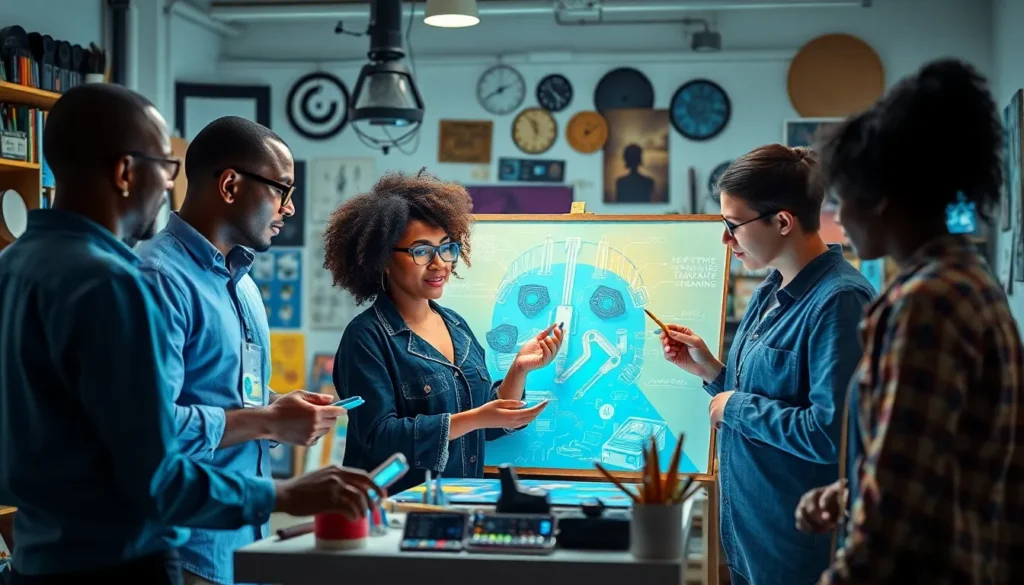
In a world where creativity meets technology, the realms of arts, audio/video technology, and communications are colliding like never before. Imagine a place where a painter can stream their masterpiece in real-time, or a musician can reach fans across the globe with a single click. This isn’t just a dream—it’s the vibrant reality of today’s digital landscape.
As the lines blur between traditional artistry and cutting-edge tech, the opportunities for innovation are endless. Whether it’s crafting an unforgettable visual experience or mastering the perfect sound, the fusion of these fields is redefining how we connect and communicate. Get ready to dive into the fascinating world where pixels and soundwaves dance together, creating a symphony of creativity that promises to inspire and entertain.
Overview of Arts, Audio/Video Technology and Communications
Arts, audio/video technology, and communications converge at the crossroads of innovation and creativity. This fusion enhances expression, allowing artists to reach wider audiences. Real-time streaming, for example, transforms how painters present their work, providing instant visibility to viewers worldwide. Musicians leverage platforms like YouTube and Spotify to distribute their creations, breaking geographic barriers.
Technological advancements give rise to tools that enhance artistic creation. High-definition cameras and editing software allow film creators to produce engaging content. Virtual reality immerses users in unique experiences, enabling them to connect with narratives in an unprecedented manner.
Interactive media is another significant development in this field. Artists collaborate with technologists to create installations that respond to audience engagement, blurring the lines between creator and spectator. These experiences foster a deeper connection and encourage active participation.
Communication channels continuously evolve in this landscape. Social media platforms facilitate direct interaction between artists and audiences, enabling real-time feedback and collaboration. Artists can now build communities around their work, fostering support and collaboration.
Emerging technologies, such as artificial intelligence, also play a key role. They assist artists in generating new ideas and enhancing their workflows. AI can analyze audience preferences, guiding creators in tailoring their works to meet evolving demands.
The integration of arts, audio/video technology, and communications opens doors to creative possibilities. Traditional methods coexist with cutting-edge tools, enriching artistic expression and engagement. This synergy continues to shape how art is perceived, shared, and experienced in the digital age.
The Role of Arts in Communication
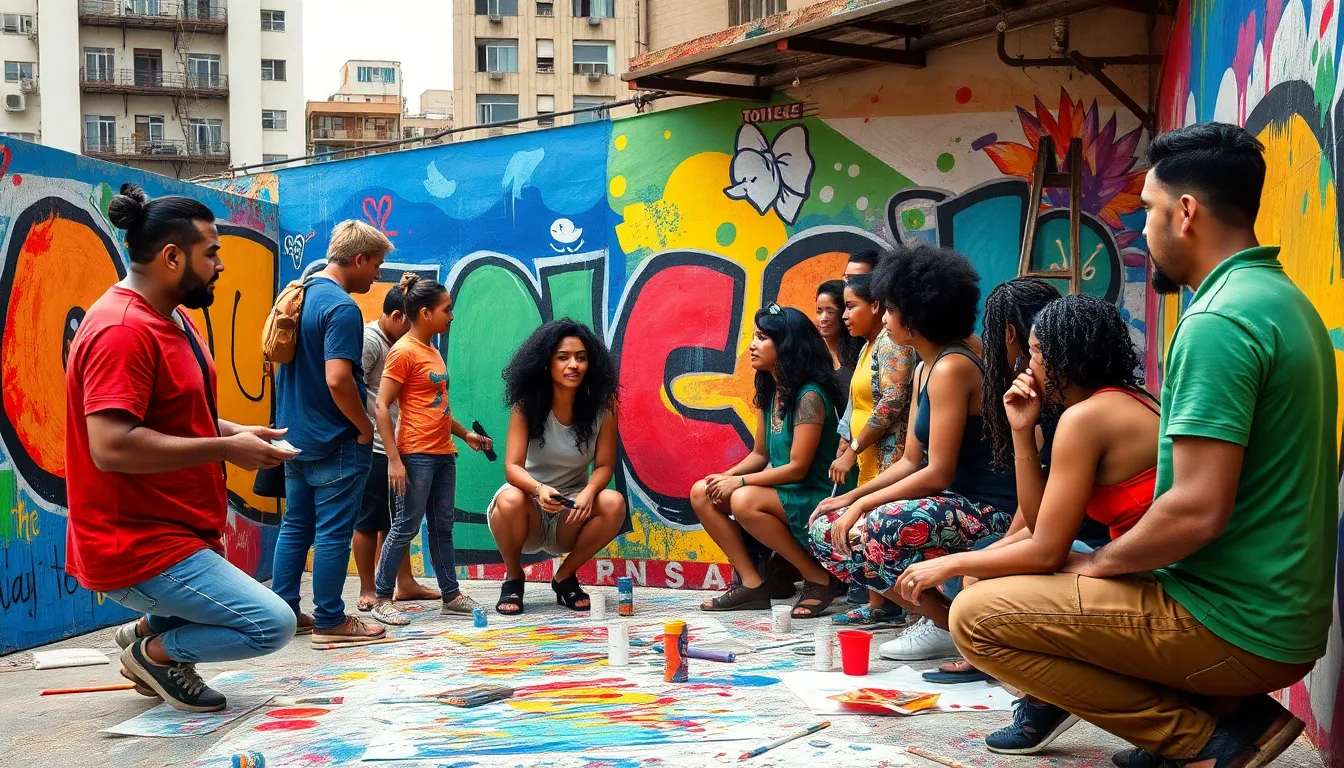

Arts play a vital role in communication by conveying emotions and ideas. Various forms of artistic expression bridge cultural gaps, making complex concepts accessible.
Visual Arts and Expression
Visual arts serve as a powerful tool for expression, enabling artists to communicate thoughts without words. Paintings, sculptures, and installations evoke emotions, sparking discussions among viewers. Iconic pieces often challenge societal norms or highlight pressing issues through vivid imagery. Community art projects foster collaboration, inviting diverse participation and perspectives. Artists utilize visual symbols and metaphors to convey deeper meanings, frequently amplifying human experiences. Gallery exhibitions and public displays allow wide-ranging audiences to engage with art, enhancing understanding and dialogue.
Performing Arts as a Communication Medium
Performing arts function as dynamic communication mediums that merge storytelling and human emotion. Theater, dance, and music engage audiences, often reflecting shared cultural narratives. Actors and dancers express feelings and thoughts through movement, voice, and gestures, creating immersive experiences. Live performances encourage real-time audience interaction, fostering connections between performers and spectators. This immediacy enhances emotional impact, driving home the intended message. Cultural festivals and events celebrate creative expression while uniting communities around shared experiences, reinforcing the importance of the performing arts as a communication vehicle.
Evolution of Audio/Video Technology
Audio and video technology has undergone significant transformation, adapting to societal needs and preferences over time. This evolution has reshaped how audiences experience and interact with creative content.
Historical Milestones
The early 20th century marked the beginning of audio technology with the emergence of sound film. The introduction of magnetic tape in the 1930s further improved sound quality. The late 20th century witnessed the rise of VHS and DVD formats, making video content more accessible. In the 2000s, digital technology shifted the landscape entirely, allowing for easier storage and distribution of media. Streaming services emerged as game changers in the late 2010s, providing instant access to vast libraries of audio and video content.
Impact of Digital Technology
Digital technology revolutionized audio and video production, introducing tools like non-linear editing software and digital cameras. These advancements enabled creators to produce high-quality content at lower costs. Social media platforms propelled video and audio sharing, creating viral phenomena and fostering global collaboration. Consequently, artists can now reach larger audiences without geographical constraints. The integration of interactive elements into digital media allows for deeper audience engagement, enhancing the overall creative experience.
The Intersection of Arts and Technology
Arts and technology converge in dynamic ways, reshaping the landscape of creativity and communication. This intersection opens new avenues for artistic expression and audience engagement.
Innovative Techniques in the Arts
Artists employ a variety of innovative techniques to merge traditional practices with technological advancements. Digital painting software allows painters to experiment with color and texture without the constraints of physical media. Photographers utilize drones for aerial shots, capturing perspectives once thought impossible. Musicians experiment with software to layer sound, creating rich audio experiences. Installation artists employ projections and interactive elements, engaging viewers in immersive environments. Overall, technology amplifies artistic possibilities, encouraging creators to explore uncharted territories.
Enhancing Communication through Technology
Communication evolves alongside artistic expression due to technological advancements. Social media platforms serve as vital tools for artists to connect with global audiences instantly. Live-streaming events enable real-time interactions, allowing artists to share their creative processes and engage directly with fans. Video conferencing software facilitates collaboration across distances, breaking down geographical barriers for creative partnerships. Additionally, artificial intelligence assists in analyzing audience preferences, helping artists tailor their works effectively. Each of these technological enhancements fosters deeper connections, enriching the overall experience between creators and their audiences.
Future Trends in Arts, Audio/Video Technology and Communications
Advancements continue to reshape the fields of arts, audio/video technology, and communications. These developments promise to redefine creative expression and audience interaction.
Emerging Technologies
Artificial intelligence shapes artistic creation by providing new tools for idea generation. Virtual reality immerses audiences in experiences that blend storytelling with engagement. Additionally, augmented reality transforms how viewers interact with art, overlaying digital enhancements onto physical spaces. 3D printing offers tangible art forms that were once limited to the imagination. The use of high-definition resolution in video production enhances visual storytelling, allowing creators to captivate their audience. Blockchain technology streamlines copyright protection and ensures artists receive fair compensation for their work. Each of these technologies contributes distinct possibilities, enriching the creative landscape.
The Role of Social Media
Social media platforms enhance direct communication between artists and their audiences. Engagement with fans through live-streaming events fosters community building and real-time feedback. Moreover, platforms like Instagram and TikTok enable visual artists to share their processes and build followings. Musicians utilize social media to distribute their work to global audiences swiftly. Each interaction creates opportunities for collaboration and creative exchange, significantly broadening reach. Community participation in art projects often emerges from social media campaigns, driving collective creativity. These dynamics enrich both the artistic process and audience experience in the rapidly evolving digital space.
The convergence of arts, audio/video technology, and communications is reshaping the creative landscape. This fusion not only enhances artistic expression but also fosters deeper connections between creators and audiences. As artists embrace innovative tools and platforms, they break down geographical barriers and engage with diverse communities.
Emerging technologies like virtual reality and artificial intelligence are paving the way for new forms of interaction and collaboration. The evolution of communication channels continues to empower artists, enabling real-time feedback and participation. This dynamic environment promises to enrich the creative experience, making art more accessible and impactful in today’s digital age. The future holds exciting possibilities for those willing to explore the intersection of creativity and technology.