
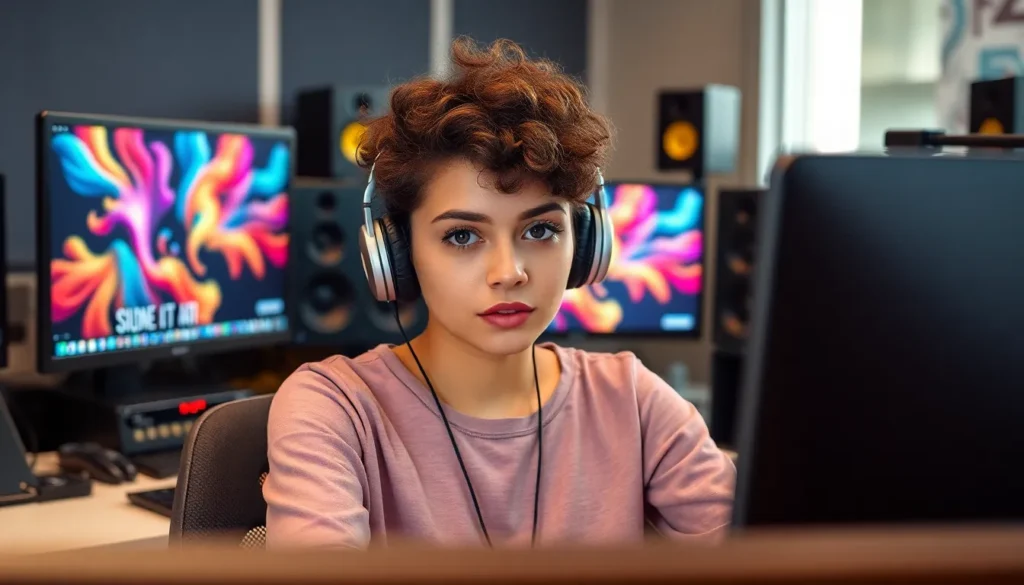
In a world where creativity meets cutting-edge technology, the realms of arts, audio/video technology, and communications are more intertwined than ever. Imagine a place where stunning visuals dance to the rhythm of sound, and every message is delivered with flair. This isn’t just a dream; it’s the vibrant reality shaping our entertainment and communication landscapes today.
Overview of Arts, Audio/Video Technology & Communications
The integration of arts and technology has revolutionized how people experience and engage with creative content. Innovations in audio and video technology enrich artistic expression, enabling creators to convey narratives through immersive experiences. Different platforms provide diverse avenues for artists to showcase their work, enhancing accessibility for audiences around the globe.
With advances in digital tools, artists now utilize software for video editing, sound design, and visual effects. These tools facilitate the creation of high-quality productions, driving the entertainment industry’s evolution. Furthermore, communications technology allows for real-time collaboration among artists, producers, and stakeholders across geographic boundaries.
Several key trends shape the landscape of this sector. Virtual reality experiences create an interactive environment that alters traditional viewing habits. Streaming services continually adapt to audience preferences, making content readily available. Social media platforms foster community engagement, allowing artists to connect directly with fans while sharing their artistic journeys.
Data reveals impressive statistics regarding consumer engagement with audio and video content. According to a recent survey, approximately 54% of audiences prefer video content over other formats. Meanwhile, audio podcasts gain popularity, with projections estimating listeners may reach 100 million by 2024.
Emerging technologies such as artificial intelligence curate personalized content experiences, enhancing user interaction. Machine learning algorithms analyze audience behavior, tailoring recommendations and improving engagement. This convergence of arts, technology, and communications transforms how people perceive and consume creative works, paving the way for future innovations in the field.
Historical Context
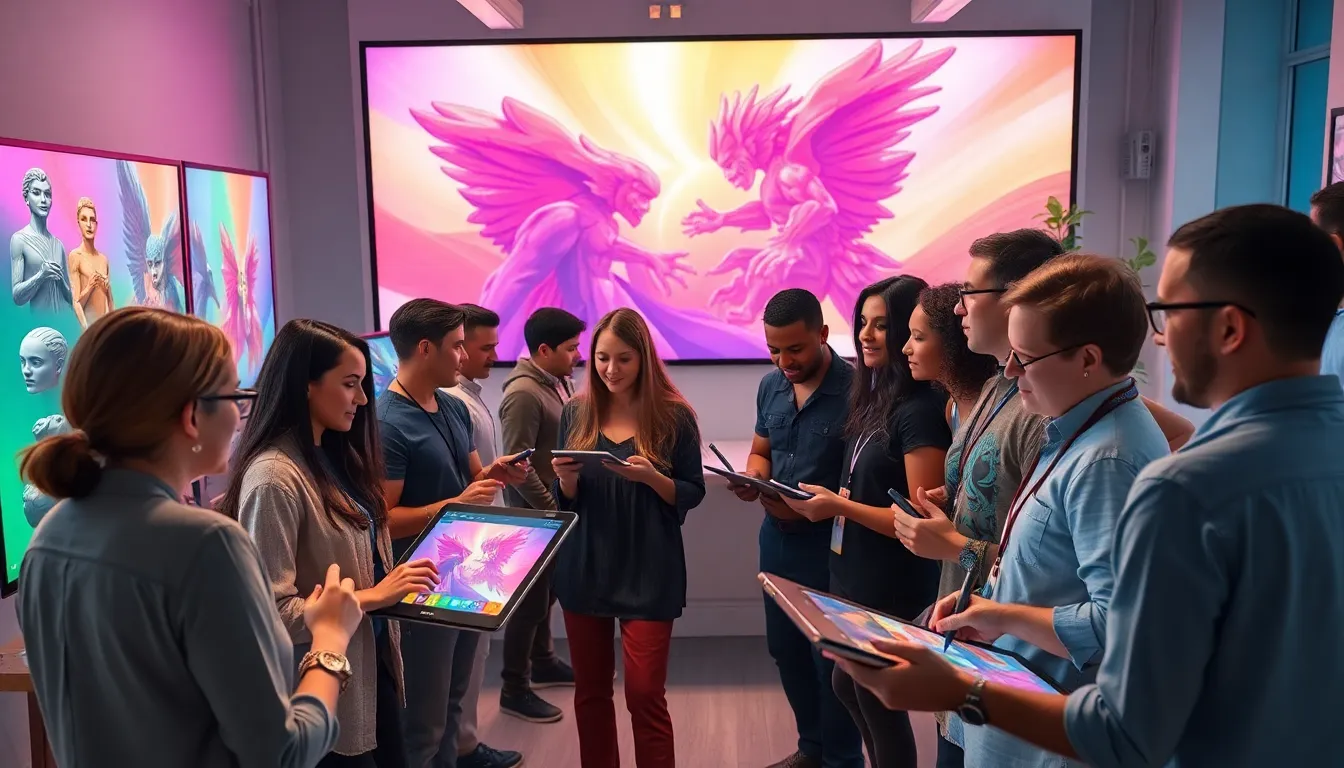
The interaction between arts and technology has deep roots, demonstrating how creative expression evolves alongside technological advancements. Both fields have always influenced each other, resulting in new forms of engagement and storytelling.
Evolution of Arts in Technology
Artistic methods have transformed significantly over the centuries. Traditional mediums like painting and sculpture have shaped modern digital creations. The rise of digital art, generated through software and tools, has redefined what is considered art today. Artists now utilize platforms like Adobe Creative Suite and Procreate to produce intricate designs. Innovations in 3D modeling and virtual reality have expanded creative possibilities, allowing for immersive experiences that were once unimaginable. This combination of artistry and technology continues to push boundaries and inspire new generations of creators.
Milestones in Audio/Video Communication
Key developments in audio and video communication mark important points in history. The invention of the phonograph in 1877 changed how sound is recorded and played back. In the 20th century, television revolutionized visual storytelling, bringing news and entertainment into homes worldwide. The emergence of the internet in the late 20th century democratized access to audio and video content, leading to platforms like YouTube in 2005, which allowed anyone to share their creations. Streaming services like Netflix and Spotify further transformed consumption habits, prioritizing on-demand access to audio and video. Recent advancements in artificial intelligence refine content recommendations, personalizing user experiences and reshaping the landscape of communication and entertainment.
Current Trends in Arts and Technology
The integration of arts and technology fosters an innovative ecosystem where creativity thrives. Artists leverage multimedia elements, combining visuals, audio, and interactive components to enhance storytelling. Digital installations draw audiences into immersive experiences, using techniques like projection mapping and augmented reality. These approaches engage viewers more deeply, resulting in a richer emotional connection to the artwork. Furthermore, platforms for collaboration and sharing, such as social media, allow creators to reach global audiences quickly. Emerging trends emphasize the importance of accessibility, ensuring diverse voices and perspectives are represented.
Advancements in audio and video production continue to transform the creative landscape. High-quality equipment and software streamline the production process, making it easier for creators to produce professional work. Innovations like 4K video and immersive audio technologies set higher standards for content delivery. Additionally, editing tools powered by artificial intelligence enhance workflow efficiency and reduce production time. Streaming platforms embrace these advancements by delivering content in real-time, accommodating consumer demand for instant access. Many creators now prioritize cross-platform compatibility to ensure their work reaches audiences regardless of device or location.
Impact on Society
Arts, audio/video technology, and communications deeply influence society, reshaping how individuals connect and experience the world around them.
Influence on Communication Methods
Digital platforms facilitate instant communication through multimedia channels, providing visual and auditory experiences. Audiences engage with content in new ways, fostering interaction and feedback. Enhanced connectivity enables creators to share messages across borders, reaching diverse populations. Social media acts as a powerful tool, amplifying creators’ voices while democratizing information access. Video messaging and streaming services promote real-time communication, allowing for more personal connections between creators and audiences. Data shows a strong preference for video content, resulting in increased consumption across platforms.
Transformation of Artistic Expression
Creativity has evolved through technology, allowing artists to explore novel mediums. Digital creation tools enhance the artistic process, enabling high-quality productions that were previously unattainable. Virtual reality and augmented reality foster immersive experiences, inviting audiences into interactive narratives. Artists can now combine visuals, sounds, and interactivity, creating multilayered stories. Innovations in software expand artistic possibilities, inspiring the next generation of creators. Collaborations between technology and art encourage diverse representation, making the creative landscape more inclusive.
Future of Arts, Audio/Video Technology & Communications
Rapid advancements in arts, audio/video technology, and communications signal transformative changes for the future. Key sectors will witness significant innovations and evolving trends.
Predictions and Innovations
Emerging technologies like artificial intelligence will heavily influence creative processes. AI tools may enhance content personalization, ensuring unique experiences for each audience. Additionally, augmented reality and virtual reality are set to redefine artistic expression, enabling creators to develop immersive experiences. Data suggests a rising consumer preference for interactive content, leading to more creators experimenting with mixed media. Innovations in audio technology, such as spatial audio, promise to enhance the auditory experience, adding depth to productions. Streaming platforms are likely to adapt to these shifts, offering real-time interactive features that cater to user preferences.
Challenges and Opportunities
Despite immense potential, there are challenges that creators must navigate. The rapid pace of technological change can overwhelm some artists, who may struggle to keep up with new tools. At the same time, increased competition in digital spaces may hinder visibility for emerging talents. On the flip side, these challenges present opportunities for collaboration and innovation. Accessibility in creative tools fosters diversity, allowing underrepresented voices to emerge. Engaging with social media platforms enhances audience connection, transforming how creators communicate their messages. Embracing trends like user-generated content offers a pathway for artists to grow their reach and impact.
The intersection of arts, audio/video technology, and communications creates an ever-evolving landscape rich with opportunities. As technology continues to advance, artists and creators are empowered to push boundaries and explore innovative methods of expression. This dynamic environment not only enhances audience engagement but also fosters a more inclusive creative community.
Emerging trends signal a future where personalized and interactive content becomes the norm, allowing for deeper connections between creators and their audiences. While challenges exist in navigating this rapid evolution, the potential for collaboration and innovation remains strong. The ongoing synergy between creativity and technology promises to redefine the way artistic narratives are shared and experienced across the globe.