

In a world where everything from ordering pizza to finding love happens at the tap of a finger, mobile banking apps have become the wallet of choice for many. But as they say, with great convenience comes great responsibility—or in this case, a nagging question: Are these apps actually secure?
Picture this: you’re lounging on your couch, blissfully transferring funds with the ease of a magician pulling a rabbit from a hat. But lurking in the shadows are cybercriminals, ready to pounce on any vulnerability. The good news is that most mobile banking apps come equipped with advanced security features. Still, it never hurts to dig deeper and uncover the truth behind those shiny icons on your smartphone. So, let’s explore the security landscape of mobile banking apps and find out if they’re the safe haven they claim to be.
Overview of Mobile Banking Apps
Mobile banking apps provide an efficient and convenient way for users to conduct financial transactions. Major banks and financial institutions develop these apps to offer services like checking balances, transferring funds, and paying bills. Users access their accounts at any time, making it easier to manage their finances on the go.
The features included in these apps often revolve around advanced security protocols. Encryption helps protect sensitive personal and financial information. Multi-factor authentication adds an extra layer of security, requiring users to verify their identity before accessing their accounts. Regular updates ensure that the apps remain secure against evolving cyber threats.
Security concerns often lead users to question how safe these apps really are. Use of secure Wi-Fi connections is recommended to enhance safety. Familiarizing oneself with the app’s security features also plays a significant role in ensuring protection. Users need to be aware of phishing attempts that may occur through emails or messages.
Despite the risks, many find mobile banking apps to be secure options for managing their finances. Statistics show a growing number of users prefer this technology for its convenience. Each year, more people trust the platforms that allow seamless transactions while prioritizing security. By remaining vigilant, users can enjoy the benefits of mobile banking applications without compromising their personal information.
Understanding Security Features
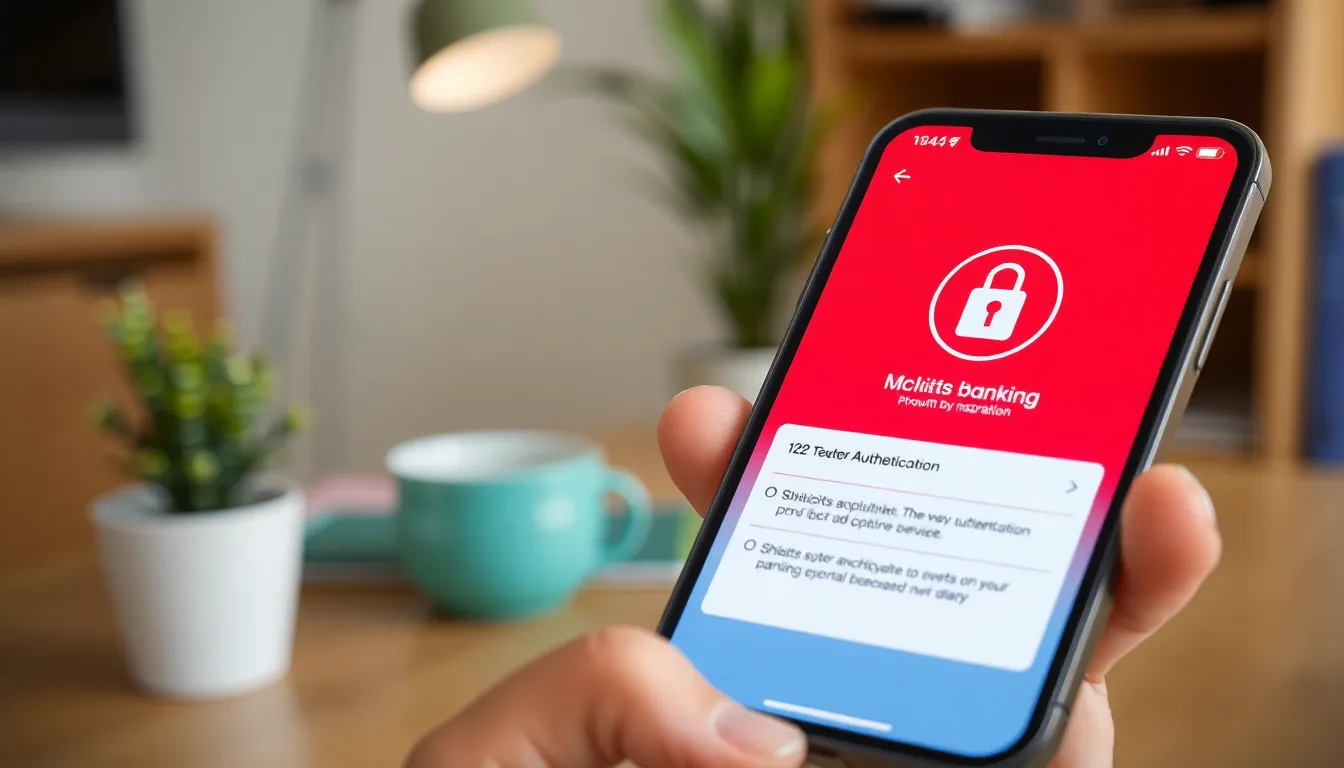
Mobile banking apps incorporate advanced security features to protect users’ financial information. Understanding these features provides insight into the safety of these platforms.
Encryption Protocols
Encryption protocols serve as crucial safeguards for mobile banking apps. Data encryption converts sensitive information into unreadable code, making it nearly impossible for unauthorized parties to access the information. Most apps use SSL or TLS encryption, which ensures that data transferred between the app and the bank remains secure. Regulatory standards, such as PCI DSS, further enhance these protocols by mandating compliance among financial institutions. Many banking apps also employ end-to-end encryption, adding an additional layer of protection. Users benefit from these robust encryption measures, relying on them for secure transactions.
Two-Factor Authentication
Two-factor authentication plays a vital role in enhancing security for mobile banking users. This system requires not only a password, but also a secondary verification method, such as a text message code or biometric scan. Many banks encourage users to enable this feature to significantly reduce unauthorized access. By combining something users know with something they have, banks fortify their defenses against potential threats. This added verification step protects users’ accounts even if a password gets compromised. Adopting two-factor authentication strengthens overall security, making mobile banking a more secure option for managing finances.
Common Security Threats
Mobile banking apps, despite their convenience, face various security threats that can compromise users’ financial information. Awareness of these threats is vital for maintaining safe banking practices.
Phishing Attacks
Phishing attacks trick users into revealing personal information through fake emails or messages. Attackers may impersonate legitimate banks, enticing individuals to click on malicious links. After clicking, a fraudulent website may prompt for login credentials. Users should always verify the sender’s email address and avoid providing sensitive data through links. According to the Anti-Phishing Working Group, phishing attacks increased almost 30% in 2021, emphasizing the necessity of vigilance.
Malware and Spyware
Malware and spyware can infect mobile devices, capturing sensitive data without users’ knowledge. These malicious programs often spread through unsecured downloads or fake apps. Once installed, they can track user activity or steal login information. Protecting devices through reputable antivirus software is crucial. Statista reports that in 2022, approximately 7.5 million malware encounters were reported on mobile devices. Users should download apps from official sources and regularly update their security settings to mitigate these risks.
Best Practices for Users
Users seeking to secure their mobile banking experience should adopt several best practices. These strategies enhance protection against potential cybersecurity threats.
Strong Password Management
Creating strong passwords remains critical for account security. Utilize a mix of letters, numbers, and special characters. Changing passwords regularly adds an extra layer of protection. Avoid reusing passwords across different accounts to minimize risk. Implementing a password manager simplifies this process, ensuring unique, complex passwords for various apps. Users should also enable biometric authentication, such as fingerprints or facial recognition, whenever possible. This additional verification step strengthens access control. Prioritizing password management helps deter unauthorized access to sensitive financial information.
Regular App Updates
Regular app updates ensure users benefit from the latest security enhancements. Developers frequently release updates to address vulnerabilities and improve functionality. Downloading updates promptly mitigates risks associated with outdated software. Many apps incorporate automatic updates, so enabling this feature adds convenience. Users should periodically check their device settings to verify that apps remain current. Often, the latest versions include critical security patches that protect against emerging threats. Prioritizing regular updates helps maintain a secure mobile banking environment, keeping personal information safe.
Mobile banking apps offer a blend of convenience and advanced security features that make them an attractive option for managing finances. While users can benefit from these technological advancements, staying informed and vigilant is crucial. By understanding potential threats and adopting best practices, individuals can significantly enhance their security while using these apps. Embracing strong passwords and utilizing multi-factor authentication are simple yet effective steps toward safeguarding personal information. Ultimately, with the right precautions in place, mobile banking can be both secure and efficient, allowing users to enjoy the freedom of managing their finances on the go.