

In a world buzzing with distractions, active noise cancellation (ANC) is like a superhero for your ears. Imagine slipping on a pair of headphones that not only play your favorite tunes but also create a bubble of silence around you. Whether it’s the sound of a neighbor’s questionable karaoke skills or the hum of a busy café, ANC swoops in to save the day.
Overview Of Active Noise Cancellation
Active noise cancellation (ANC) technology functions by utilizing microphones and speakers to identify and neutralize ambient sounds. This process involves capturing external noise and generating sound waves that are opposite in phase, effectively canceling out the unwanted sound. ANC headphones boast two primary types: feedforward and feedback ANC.
Feedforward systems use external microphones to pick up sound before it enters the ear, allowing for real-time adjustments. Feedback systems, on the other hand, use internal microphones to monitor noise within the ear cups, providing a tailored response to sounds that are already present.
High-quality ANC performance often depends on several factors, including the quality of the microphones and the algorithms used for sound processing. Many ANC headphones also offer different levels of noise cancellation, enabling users to adjust the intensity based on their environment. For instance, a bustling café may require higher noise cancellation than a quiet office space.
The application of ANC extends beyond just headphones. This technology is also employed in various devices, from smartphones to high-end speakers, enhancing audio experiences while blocking distractions. As consumers continue to seek quieter environments, the demand for ANC technology will likely grow.
How Active Noise Cancellation Works
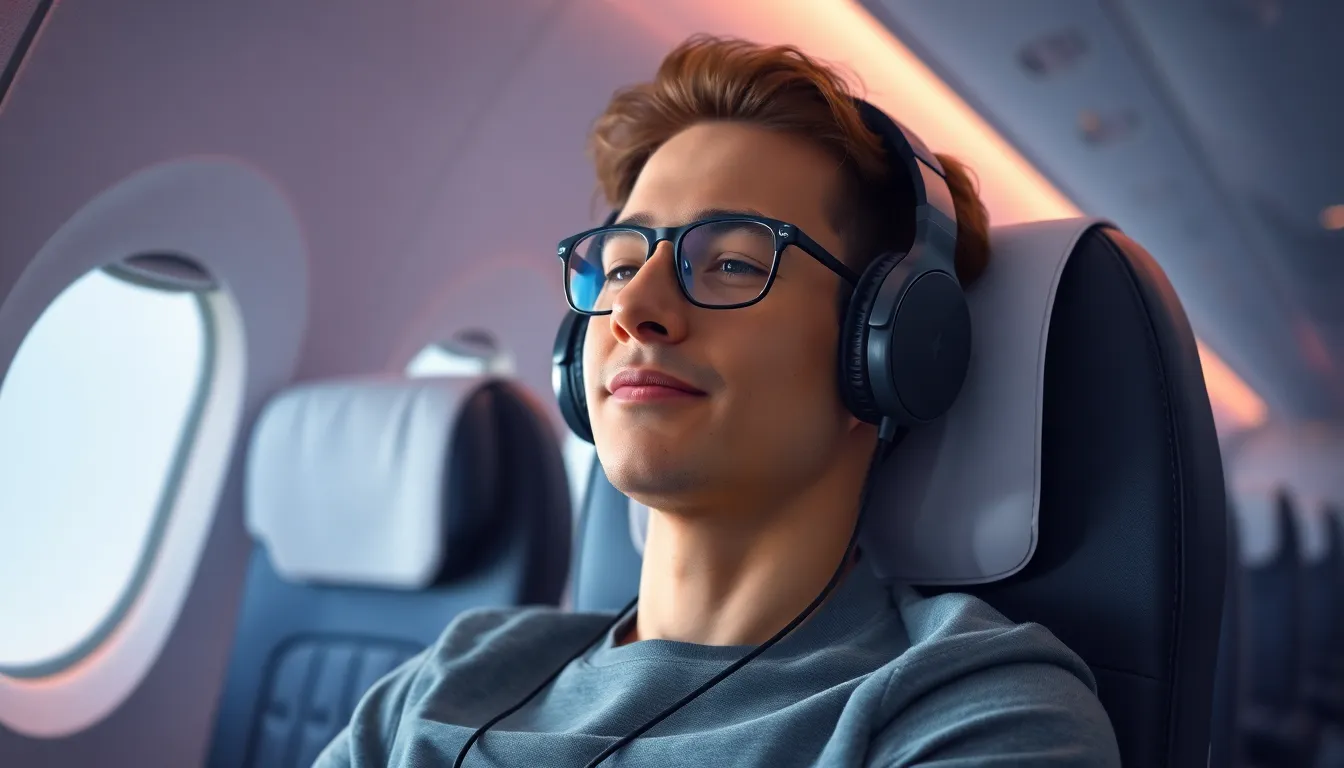
Active noise cancellation employs advanced technology to create a quieter auditory experience. It neutralizes unwanted sound effectively, allowing users to immerse themselves in music or conversation.
Principles Behind Active Noise Cancellation
Active noise cancellation functions through the principle of phase inversion. Microphones detect external noise and measure its amplitude. In response, speakers generate sound waves that are equal in amplitude but opposite in phase, effectively cancelling out the intrusive sounds. This technique provides significant reduction of consistent, low-frequency sounds, making it ideal for environments like airplanes or busy urban areas.
Types Of Active Noise Cancellation Technologies
Several types of active noise cancellation technologies exist, each serving specific purposes. Feedforward ANC involves placing microphones outside the headphones to capture sounds before they reach the ears. Feedback ANC, however, utilizes internal microphones to monitor sound within the headphones, adjusting cancellation in real time. Hybrid systems combine both methods for improved performance across a range of noises. This variety enables users to select ANC solutions suited to their specific listening environments.
Benefits Of Active Noise Cancellation
Active noise cancellation offers numerous advantages, enhancing the listening experience and fostering concentration in busy environments.
Improved Audio Quality
ANC significantly enhances audio quality by minimizing background noise. Users experience a cleaner sound, making vocal clarity and intricate details more pronounced. This technology allows music lovers to enjoy their favorite songs without excessive volume. Enhancements in sound processing ensure that subtleties within recordings become evident, contributing to a rich sound profile. ANC headphones perform exceptionally well with various music genres, from classical to bass-heavy tracks. Furthermore, the reduction of environmental distractions elevates listening pleasure, providing an immersive auditory environment.
Enhanced Focus And Productivity
ANC technology promotes enhanced focus and productivity in both work and study settings. It creates a serene atmosphere by blocking out disruptive sounds like conversations or environmental noise. Professionals report increased efficiency when using ANC headphones in open office spaces. Students benefit from reduced distractions during study sessions, allowing deeper concentration on their coursework. Additionally, users may find themselves less fatigued by prolonged exposure to loud environments. Enhanced focus correlates with significant improvements in work output and task completion rates. As a result, ANC becomes a valuable tool for those looking to maximize productivity in any setting.
Challenges And Limitations
Active noise cancellation presents challenges and limitations despite its advantages. Users may experience varying levels of effectiveness depending on their environment and the specific type of ANC technology used.
Effectiveness In Different Environments
Effectiveness can diminish in environments with unpredictable or high-frequency sounds. While ANC excels in blocking consistent low-frequency noise, such as airplane engines, its performance falters in spaces filled with sudden or sharp sounds, like traffic or construction noise. Users might find reliance on ANC headphones less beneficial in bustling cafés or crowded offices, where sporadic sounds interfere with the intended noise cancellation effect.
Battery Life Concerns
Battery life poses a significant limitation for active noise cancellation devices. Continuous operation of ANC functions drains battery power more quickly than standard listening modes. Many ANC headphones typically endure from 15 to 30 hours on a single charge, depending on settings and usage. Users should note that frequent charging can be inconvenient, particularly during long trips or extended use in daily routines. Some models offer features to conserve battery life, but the trade-off often results in compromised noise-canceling performance.
Active noise cancellation technology offers a remarkable way to enhance personal audio experiences and improve focus. By effectively neutralizing unwanted sounds users can immerse themselves in their favorite music or create a distraction-free environment for work or study.
While ANC is particularly adept at handling low-frequency noise it does have limitations in more unpredictable environments. Users should consider factors like battery life and the specific type of ANC system that best suits their needs.
As the demand for quieter spaces grows ANC will continue to evolve making it an essential tool for anyone seeking to enhance their auditory experience and productivity.