
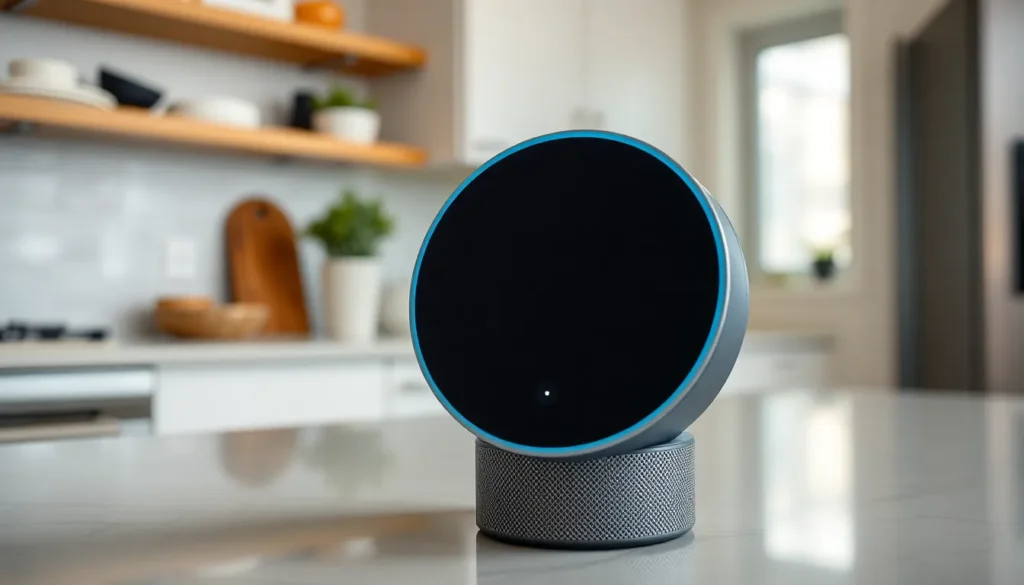
In a world where talking to your gadgets has become the norm, voice assistant microphones are the unsung heroes of convenience. These little devices transform everyday tasks into effortless interactions, making it easier to control your smart home, set reminders, or even crack a joke with a digital buddy. Who knew that asking your speaker for the weather could feel like chatting with a friend?
Overview of Voice Assistant Microphones
Voice assistant microphones play a crucial role in the functionality of smart devices. Their ability to accurately recognize voice commands enhances user experience and convenience.
Importance in Smart Devices
Smart devices rely on voice assistant microphones to create seamless interactions. These microphones convert speech into actionable commands, allowing users to control various functions hands-free. They enable users to manage smart home systems with ease, set reminders efficiently, and access information quickly. By enhancing automation and interoperability, voice assistant microphones contribute significantly to a smart home ecosystem’s overall appeal. Smart assistants like Alexa, Google Assistant, and Siri depend on these technologies to facilitate personal interactions, making daily tasks more manageable.
Key Features to Consider
When selecting a voice assistant microphone, several key features warrant attention. Sensitivity and range determine how well the device captures commands from different distances and angles. Noise cancellation enhances clarity, filtering out background sounds that might interfere with recognition. Integration with other smart devices is essential, allowing the microphone to function across various platforms. Privacy controls are significant as well, offering users options for data management. Additionally, compatibility with different voice services can expand the device’s functionality, making it versatile in smart environments.
Types of Voice Assistant Microphones
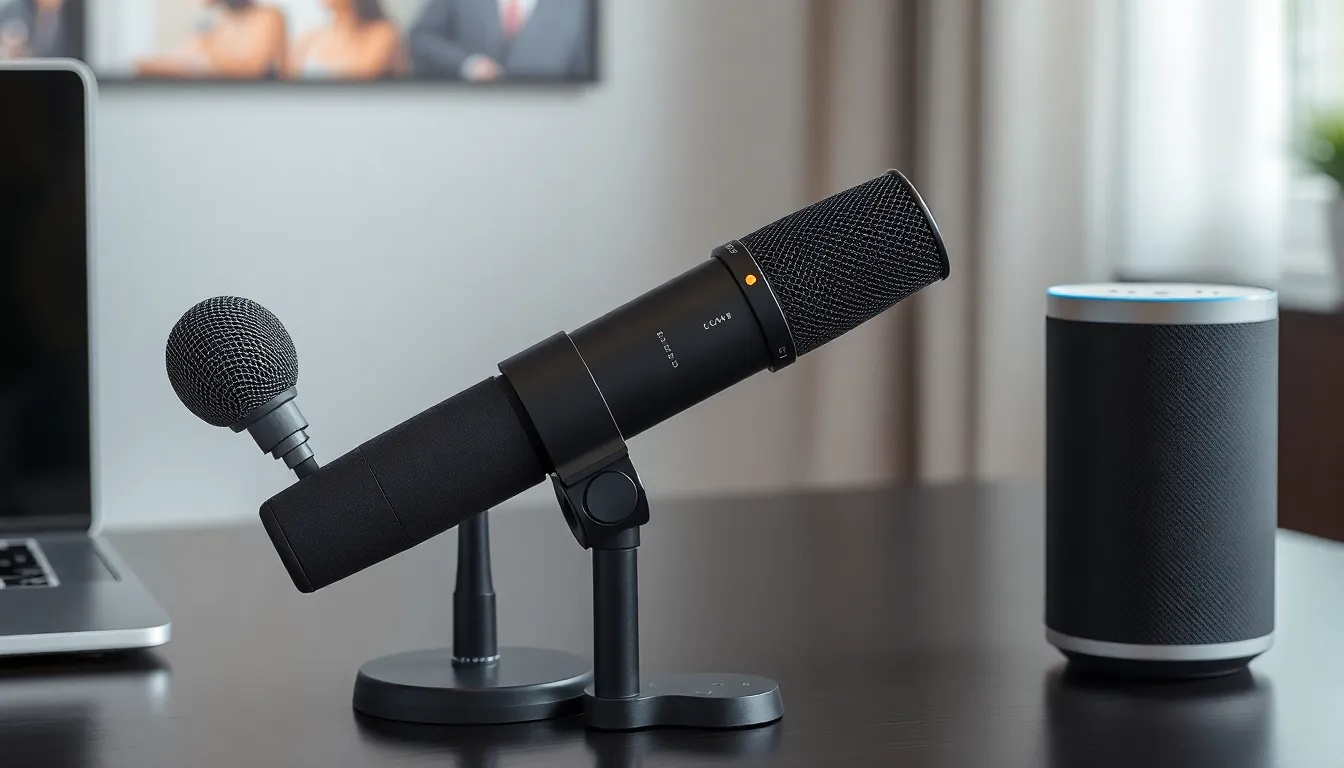
Understanding the types of voice assistant microphones helps in selecting the right device for specific needs. Key categories include built-in, external, and smart speaker microphones.
Built-in Microphones
Built-in microphones are integrated directly into devices such as smartphones, laptops, and tablets. These microphones enable hands-free operation for various applications. Typical uses involve voice commands for digital assistants, voice calls, and even video conferencing. Many built-in microphones feature noise cancellation, which improves clarity in crowded environments. Manufacturers often design these microphones to be compact, enhancing the portability of the devices they reside in.
External Microphones
External microphones connect to devices for enhanced audio input capabilities. These microphones typically provide superior sound quality compared to built-in options. Many professionals favor external microphones for applications like podcasting and streaming. They often come with specialized features such as adjustable sensitivity and directional pickup patterns, ensuring focus on the user’s voice. Users benefit from an increased range of choice when selecting external microphones that fit their specific needs and environments.
Smart Speaker Microphones
Smart speaker microphones play a pivotal role in home automation systems. These devices often use array technology, allowing them to capture voices from various angles. Several models support far-field voice recognition, enabling users to interact from across the room. Smart speaker microphones typically integrate seamless connectivity with smart devices, enhancing the user experience significantly. Additionally, voice assistant functionalities allow for issuing commands, making day-to-day tasks more efficient.
Performance and Quality
Voice assistant microphones excel in performance and quality, significantly impacting user experience. Their ability to deliver clear sound makes them essential for effective interaction.
Sound Clarity
Sound clarity in voice assistant microphones ensures that users receive accurate responses to their commands. Depending on design and technology, many models utilize advanced audio processing capabilities that minimize distortion. Users benefit from technologies like beamforming, which focuses on capturing voice more precisely. A frequency response range of 20 Hz to 20 kHz is typical for quality microphones, providing a full spectrum of sound. Good clarity means clearer interactions with voice assistants, making tasks easier and more efficient.
Noise Cancellation
Noise cancellation technology plays a crucial role in enhancing the performance of voice assistant microphones. Many devices incorporate active noise cancellation (ANC) to filter out background sounds, allowing for precise voice recognition. Models featuring multiple microphones can detect and identify the source of sounds, further improving voice clarity in noisy environments. Users can expect significant reductions in unwanted ambient noise, making voice interactions smoother. Overall, effective noise cancellation significantly enhances the usability of voice assistants in everyday situations.
Popular Voice Assistant Microphones
Several brands excel in voice assistant microphones, each offering unique features and capabilities.
Amazon Echo Microphones
Amazon Echo microphones utilize advanced array technology for accurate sound recognition. These devices often include multiple microphones to capture voice commands from various angles, enhancing usability in large spaces. Noise cancellation features minimize background sounds, allowing for clear interactions. Many Echo models integrate seamlessly with Alexa, providing control over smart home devices and access to information. Versatility stands out as users can enjoy streaming music or asking questions effortlessly.
Google Nest Microphones
Google Nest microphones are designed for optimal voice recognition in dynamic environments. Featuring far-field voice detection, these devices reliably respond to commands from a distance. Integration with Google Assistant enhances functionality, enabling users to manage schedules, control home automation, and retrieve real-time information. Clarity and precision characterize these microphones, supported by advanced noise reduction technology. Users appreciate that they can enjoy a conversational experience while maintaining hands-free convenience.
Apple HomePod Microphones
Apple HomePod microphones focus on delivering exceptional sound quality along with voice command features. Designed to fit well in home environments, these devices use spatial awareness to adjust audio output. Siri integration allows users to interact directly with their smart devices, offering personalized responses and suggestions. Advanced echo cancellation ensures background noise does not interfere with voice recognition. HomePod microphones excel in providing a seamless user experience, reflecting Apple’s attention to detail and quality.
Future Trends in Voice Assistant Microphones
Voice assistant microphones are evolving rapidly, driven by technological advancements and increased integration with artificial intelligence. These trends shape the future of how users interact with their devices.
Advancements in Technology
Manufacturers focus on improving voice recognition capabilities and sound processing. Enhanced sensitivity allows microphones to detect whispers and subtle commands from distances beyond previous limitations. Incorporating beamforming technology helps to isolate voices from background noise, improving accuracy in various environments. Furthermore, miniature microphones improve portability and convenience without sacrificing performance. Upgrades in battery efficiency prolong usage times for portable devices, enabling longer conversations without the need for frequent recharges. Overall, these technological advancements significantly enhance user experience with voice assistants.
Integration with AI
Voice assistant microphones increasingly rely on AI for enhanced functionality. Natural language processing allows these devices to understand and respond to complex queries effectively. Machine learning algorithms improve voice recognition accuracy over time by learning user preferences and speech patterns. Integration with cloud services provides access to vast databases of information, making responses more relevant and timely. Developing personalized experiences ensures users receive tailored suggestions and interactions. As AI continues to advance, voice assistant microphones will become even more intuitive and efficient in assisting users.
Voice assistant microphones have become essential tools in modern life. They not only enhance convenience but also create a more personal interaction with technology. As advancements continue, these devices are set to become even more intuitive and efficient.
With features like noise cancellation and advanced audio processing, users can expect clearer communication and improved usability. The variety of options available allows individuals to choose the right microphone based on their specific needs.
As technology evolves, voice assistant microphones will play an increasingly vital role in smart home ecosystems, making daily tasks even easier and more efficient. Embracing these innovations will undoubtedly lead to a more connected and user-friendly experience.