

When it comes to the stock market, timing is everything. And if you’re wondering whether you can dive into the trading pool on a Monday, you’re not alone. Many investors are eager to kick off the week with a bang, but a quick glance at the calendar can save them from an awkward Monday morning staring at closed doors.
Understanding Stock Market Hours
Stock market hours dictate when investors can trade. Knowing these hours is crucial to successfully navigating the trading week.
Regular Trading Hours
Regular trading hours for the major U.S. stock exchanges, including the New York Stock Exchange (NYSE) and the Nasdaq, take place from 9:30 AM to 4 PM Eastern Time. Monday marks the start of a new trading week, meaning investors can execute trades during this period. Markets are closed on weekends and specific holidays, so checking the calendar is essential to avoid missed opportunities. Standard hours allow for a more orderly environment, giving investors the chance to respond to market changes.
After-Hours Trading
After-hours trading extends the opportunity to invest beyond regular market hours. This session runs from 4 PM to 8 PM Eastern Time, allowing investors to react to news and events that occur after traditional trading ends. Liquidating positions or making new investments can happen during this time, but lower volume often leads to higher volatility. Understanding the risks associated with after-hours trading is crucial, as not all stocks may be available, and order execution might differ from regular hours.
Stock Market Openings on Mondays
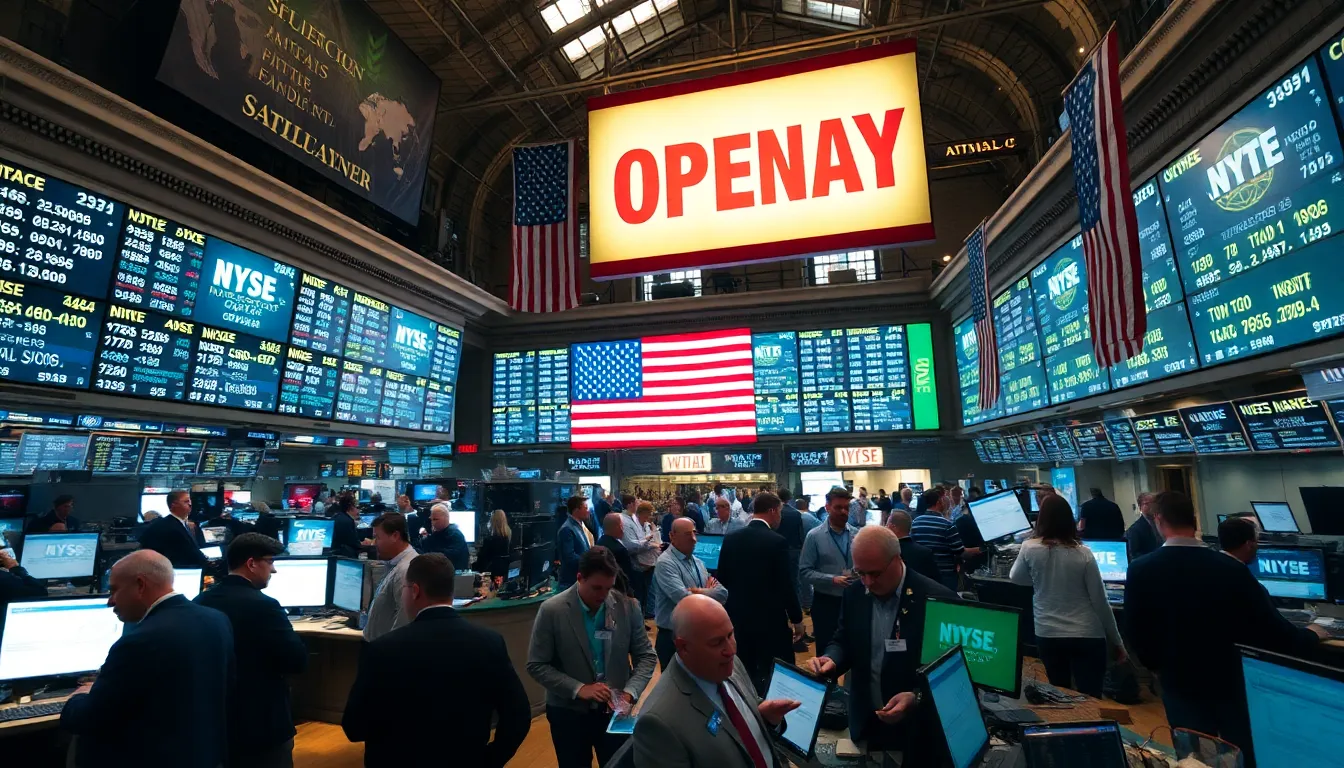
Monday trading presents an opportunity for investors to engage with the stock market at the start of the week. Understanding specific factors influencing market openings can enhance trading strategies.
Historical Data on Monday Openings
Historical data shows that the stock market has been consistently open on Mondays, with few exceptions. Notable closures occurred during holidays like New Year’s Day and Independence Day when they fall on a Monday. Typically, the major exchanges, such as the NYSE and Nasdaq, operate without interruption on this weekday. Analysis projects that Mondays often see increased trading volume as investors react to news from the weekend. Patterns suggest that market performance can vary, with Mondays sometimes experiencing upward momentum following positive weekend developments.
Impact of Holidays on Monday Openings
Holidays significantly affect stock market openings on Mondays. If a holiday coincides with a Monday, major U.S. exchanges remain closed that day. For instance, Memorial Day or Labor Day may lead to a three-day weekend, impacting trading schedules. This closure means that investors must plan their trading around these dates to avoid missed opportunities. Investors can track holiday schedules published by the exchanges to inform their trading strategies effectively. Understanding these openings helps mitigate surprises and allows strategic positioning before the market’s next opening.
Special Considerations
Investors must account for specific factors when trading on Mondays. These factors can influence trading dynamics significantly.
Pre-Market Activities
Pre-market trading allows investors to engage before standard hours commence. Most U.S. exchanges, including the NYSE and Nasdaq, provide pre-market sessions from 4 AM to 9:30 AM Eastern Time. This activity presents a chance for investors to react to breaking news and market sentiment. However, lower trading volumes and higher volatility may characterize this time, posing risks. Monitoring pre-market movements can help shape investment decisions after the official opening.
Major Events Affecting Openings
Major events often impact stock market openings on Mondays. Economic reports, corporate earnings announcements, or geopolitical developments can change investor sentiment drastically. For instance, if a significant economic indicator releases on a Monday, trading can start with heightened activity. Furthermore, unexpected geopolitical news may impact market stability, influencing investor strategies. Staying informed about these developments helps investors anticipate market responses on Mondays effectively.
Investors looking to trade on Mondays can generally expect the stock market to be open. Understanding the trading hours and potential market dynamics is crucial for making informed decisions. Staying updated on holiday schedules and significant news events can enhance trading strategies and opportunities. By being proactive and aware of both regular and after-hours trading, investors can navigate the market effectively. With a little preparation, Mondays can serve as a valuable starting point for the week ahead in the stock market.